
SolarTyle: The Company That Decided to Start Again
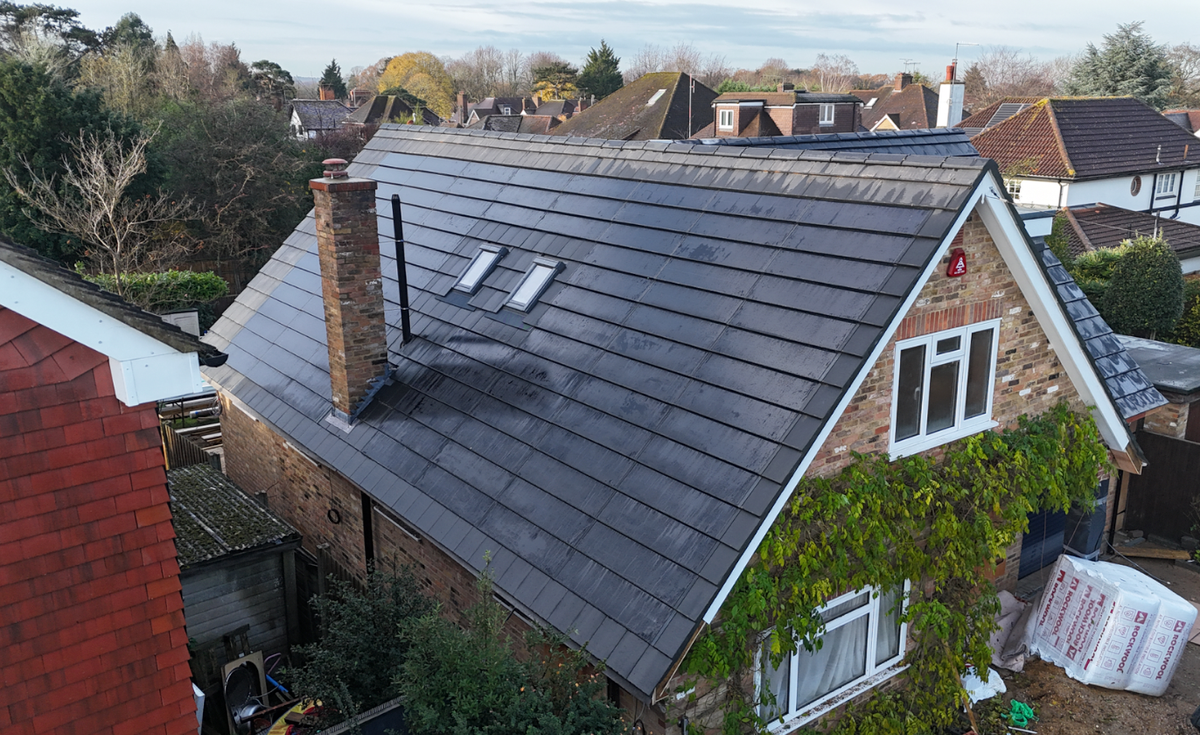
This is how it all started. ⬇️ - Check out the bottom for how it finished
A LinkedIn post showing a roof fire... provocative, maybe deliberately so, triggered the kind of hostility that usually kills momentum before it starts. But instead of retreating, the company behind it reached out.
That’s how I ended up speaking to Liam Dennis. I didn't get a limp defence. I got an admission of (near) failure.
An admission that the original version didn’t work.
 Solartyle - The Premier Solar Tile Specialist in the UK
Their snazzy new website.
A product that “worked”… but couldn’t scale
SolarTyle didn’t enter the market as a clean-sheet innovation. It inherited something far messier a system that technically functioned, but fundamentally didn’t fit the UK.
As Liam explains:
“The product was a mass-produced kind of solar tile from China… and it wasn’t suited to the UK market.”
The issue wasn’t quality. In fact, the underlying solar technology was solid. The problem was everything around it, sizing, integration, installation logic.
What installers were left with was a workaround-heavy system: trimming tiles, adapting joins, making things fit that weren’t designed to.
“They’d done a good job of it… it looked neat, seamless, and it was secure but it was really unscalable.”
Bridging the gap between a working product and a scaling product is where the story changes.
SolarTyle decided to flip the script.
The decision most companies avoid
Instead of iterating forward, they stepped back.
Deliberately.
“We just went, right, let’s go backwards… what’s the concrete tile we want to work with?”
They reset of the entire premise: design the solar system around the UK roofing ecosystem, not force the ecosystem to adapt to the product.
That meant aligning with standard tile formats, standard batten spacing, standard installation workflows, all the things that determine whether something actually gets adopted on site.
And it meant discarding months of previous progress.
Hitting the compliance wall
Even with a redesigned system, there was a second, more predictable barrier: certification.
“No MCS certificate… that basically put a barrier to any new build works.”
Without it, the product wasn’t just harder to sell, it was structurally excluded from large parts of the market.
“It was a complete showstopper if you’d not got it.”
When certification finally came through, the shift was immediate. Conversations that had been tentative suddenly became actionable. Orders followed interest.
That moment, moving from “interesting idea” to “deployable system” — is where SolarTyle began to look like a real business.
Solartyle - Leading Solar Tile Specialists
They got certified alright! - SolarTyle Website
From idea to traction
The early signals were familiar: curiosity, encouragement, cautious optimism.
“Everyone you speak to is like, yeah, great idea… getting them to press the button on orders is a big difference.”
Bridging that gap required risk, particularly in marketing and stock.
Dennis describes the uncomfortable middle phase most founders recognise: spending heavily before knowing if demand will follow.
“There’s a little period of about two months where you don’t know if you’ve made the right decision… we were sitting there going, we’re spending a lot of money....is this the right thing?”
Then it moved.
“Then it just started ticking… and going. And then all of a sudden it’s like wow, yeah, okay, this works.”
That’s where SolarTyle is now: not proven at scale, but clearly past the point of speculation.
It's just solar - right?
Strip away the branding, and SolarTyle’s proposition is surprisingly grounded. It’s not trying to reinvent solar generation. It’s trying to simplify how solar integrates with a roof.
“The innovation is not really in the panels… it’s how we hook it to the batten and how we join it to the tiles.”
That manifests in one key area: installation. Instead of layering additional systems onto a roof, frames, trays, flashing kits, SolarTyle works within the existing roofing process.
Roofers build as normal. Solar installers step in briefly. Then the roof is completed.
“There’s no extra flashing kits, no extra battening… it’s seamless.”
For an industry defined by time on site and coordination between trades, that accelerated workflow could well change the speed with which it's adopted.
A shift that may already be underway
SolarTyle positions itself not as a disruptor, but as part of an inevitable progression. From bolt-on systems…to integrated panels… to fully integrated solar tiles.
Liam is clear on where he thinks this leads:
“Bolt-on solar will not be around in five years’ time, especially not in new build.”
It’s a bold claim and one that will be contested.
But it aligns with broader pressures already shaping the sector: tighter building standards, aesthetic demands, and the need for simpler, more integrated construction systems.
A company still in the making
SolarTyle is not finished. It is still building its distribution, its installer base, its long-term partnerships.
But what makes it interesting is not just the product — it’s the behaviour behind it.
This is a company that:
- Walked away from a working system because it wouldn’t scale
- Rebuilt around the realities of installation, not just engineering
- Pushed through compliance barriers that stop most early-stage products
- And is now beginning to see genuine market pull
Underneath all of that is a simpler motivation.
“I just wanted to build something exciting… no one had really taken this by the scruff of the neck and made it work.”
That doesn’t guarantee success.
But in a sector where too many products are designed in isolation from the people who actually install them, it might be exactly the right starting point.