
Could retrofit projects generate a second income stream?
Quidos. The Little Engine. That Could Be A Double Whammy.
They're a little engine that's been discretely running behind the scenes of the retrofit industry for years.
Has Quidos, the Salaman invention made a pivotal change...? Has it just helped launch something that could fundamentally change how retrofit is funded?
If it has carbon could finally become a credible secondary income stream long after the installer has packed away the tools.
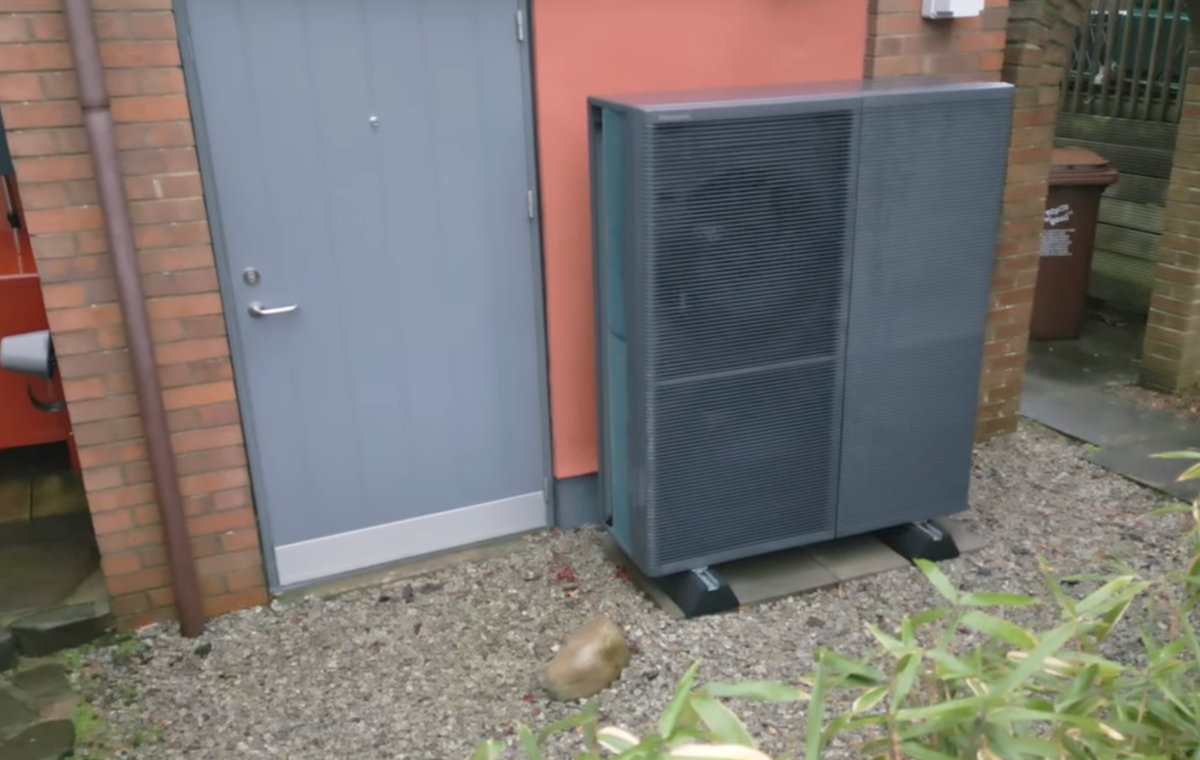
The launch of the BEVerify carbon registry, developed by BEClimate, powered by Quidos and delivered with Xpansiv, raises a fascinating possibility: that the carbon saved by a well-performing heat pump, solar PV system or whole-house retrofit could become a verifiable financial asset.
What if there was another source of value hiding in that installation?
Every tonne of carbon dioxide that building avoids emitting has value to organisations trying to reduce their own emissions or meet regulatory obligations. Until now, proving those savings, and turning them into something that could be bought and sold - has been expensive, slow and largely impractical for individual buildings.
BEVerify claims to change that.
Instead of estimating carbon savings, it uses monitored building performance and digital verification to create an auditable record of what has actually been achieved. If those verified reductions can be recognised within carbon markets, they become an asset rather than simply a good environmental outcome.
That changes the economics of retrofit.
Imagine installing a heat pump in a care home. The owner still benefits from lower energy bills. The residents still benefit from warmer, healthier rooms.
But now there may be a third benefit.
The carbon reductions themselves could have financial value.
That extra income could help pay for the project, improve the business case, or even fund the next installation.
Suddenly, getting the installation right isn't just about customer satisfaction, it's about protecting an income stream that depends on proven performance.
Poor commissioning costs money.
Poor monitoring costs money.
Optimising a system could literally increase its value. If that becomes reality, installers won't simply be selling heating systems.
They'll be creating long-term carbon-producing assets.
That's why this launch does something a bit off the track, in the dirt.
Can a well-performing building continue earning value long after the installer has left site?
If the answer is yes, this could represent a fundamental shift in how retrofit is financed.
Good commissioning suddenly becomes critical, not a wish. Monitoring becomes essential. Optimisation becomes profitable. The better a system performs, the greater the carbon value it may generate.
You pay installers once for fitting equipment. Could we be entering an era where we're also rewarding them - directly or indirectly - for proving it continues to perform?
That would fundamentally change incentives across the industry.
But there are some very big questions.
- Who actually buys these carbon assets?
- What are they realistically worth?
- Who owns the carbon; the homeowner, the installer, the financier, or the building owner?
- Can the registry withstand independent scrutiny?
- What happens if a building's performance declines over time?
- And is this genuinely new value, or simply another way of packaging existing carbon markets?
These aren't criticisms. They're exactly the questions that should be asked before everyone gets carried away.
Because if this works, it could become one of the most important developments in retrofit finance for years.
Imagine being paid twice for a job you only did once, not because you've sold another product, but because you've demonstrably delivered lasting carbon reductions.
Now that's a conversation worth having.
We got this delicious morsel of information from one of the most dangerous architects of a better future, Catherine Garrido. Watch out. She's remorseless. Which is good.