
Sano. Reinventing Heat Pumps? No. Reinventing Where They Can Go? Yes.
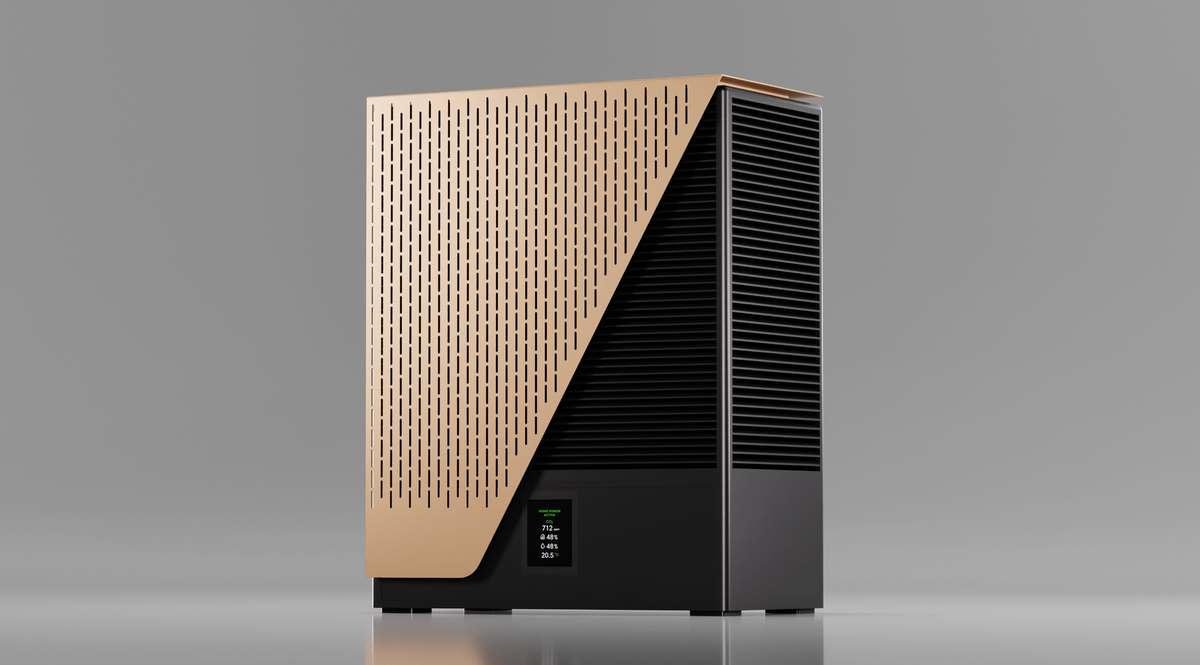
There's an obsessive streak in many of the heat pump development teams. They talk endlessly about controls, efficiency, sound levels. Manchester start up Sano flipped the script. Instead of redesigning the refrigeration cycle, this company looked at airflow. They have produced a heat pump capable of reaching parts others cannot. It's a Carlsberg link again...
As they progress through testing and certification, the FIN heat pump could unlock thousands of homes previously excluded by installation constraints.
Where Do You Stick It?
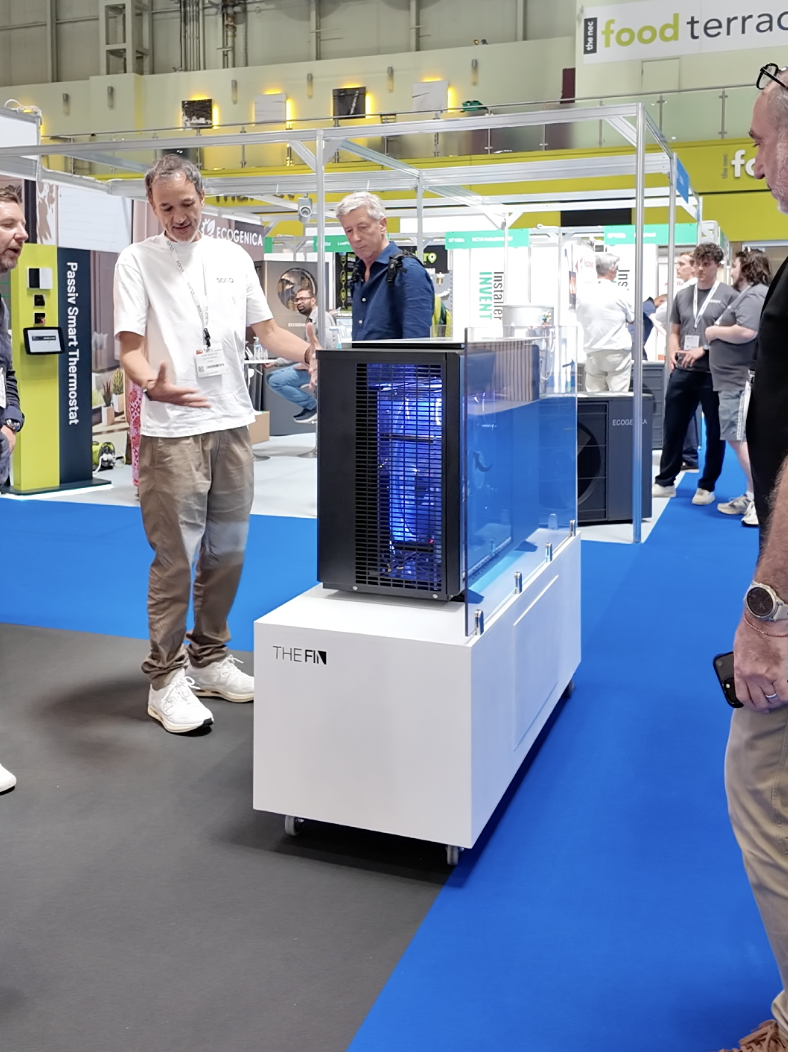
We interviewed David Jones - known as DJ, one of the co-founders at Sano straight after they burst onto the scene at this years InstallerShow.
FIN is aimed at unlocking installations that are currently difficult because of siting issues:
- Terraced homes.
- Tight urban plots.
- Boundary restrictions.
- Planning and aesthetic concerns.
- Noise-sensitive locations.
- Smaller new-build plots
"The biggest problem we've solved isn't the technology - it's where the damn thing goes!" DJ Co-founder - Sano
The significance of this approach cannot be understated. Sano could have gone all in trying to re-invent the wheel. They would have lost weeks and months of R&D time and even created more hurdles for themselves. Why?
'We Made It Easy To Understand'
Installers don't need more gadgetry or fandoogles to install. Because apart from the fan mechanism, everything is, as DJ says himself;
"It's bog standard heat pump technology. We've not invented anything new there." DJ
Which is where some installers might make a mistake in confusing the simplicity of the switch Sano made.
It's the fan.
"By switching from an axial fan to a centrifugal fan, we've drastically reduced the clearance requirements." DJ
That's right you read it here. The fan is a centrifugal fan. So what?
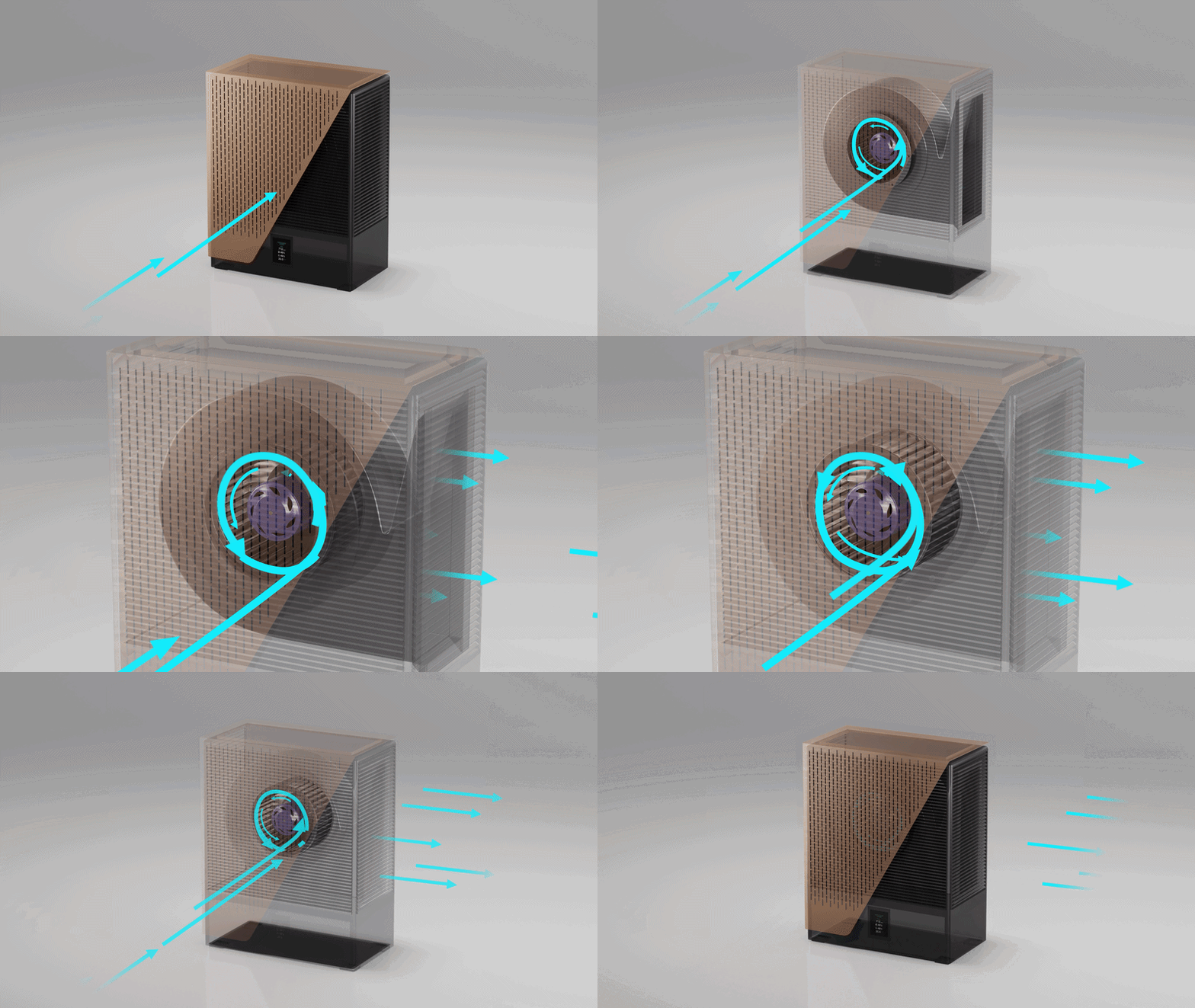
Well imagine you had a fan that meant you didn't have to site the heat pump like a rejected dinner guest out the back of your home. In fact you could even look at putting it down that fiddly victorian alley, or, and this is exciting. On your outside balcony.
That difference, positions this product in a clever space. One that is relatively unexplored.
"We're not trying to battle with Daikin, Mitsubishi or Panasonic. We're unlocking a different market." DJ
Aside from the product positioning - there is another feature of the design of the FIN that makes it an attractive proposition.
A Sexy Heat Pump?
The clever, assiduous attention to detail, the elegant design - means the heat pump units look, almost motionless. The ubiquitous revolving fan normally seen on conventional heat pumps is not in sight.
DJ is extremely clear on the different between what it looks like and performs like;
"Because you can't see anything mechanical moving, people instinctively think it's quieter." DJ
It would be wild to suggest that the look of the fan free frontage would in any way influence consumer buying behaviour. However. We lost track of the number of times it was the look of the thing that people comment on in fact at the INSTALLER Show 2026 - here's an oft quoted reaction DJ experienced;
"People just kept walking past saying, 'That's a sexy unit.'"
Whilst DJ is wary of making any claims about acoustic performance before testing is complete, there is a canny link between the physical fan being out of sight and people just 'thinking' it looks less noisy. It's subjective. But it is intriguing.
Installers Come First
It's some of the larger more affluent heat pump manufacturers that have inspired the support ecosystem the team at Sano are developing. Mindful of the reputational cost of poor support to installers, Sano are focussing very hard on making sure their comms and support structure focusses on those at frontline of delivering heat pumps.
"The relationship with installers is key... they're the people standing in front of the homeowner."- DJ
The fact that any installer currently working on Viessmann, Vaillant or Panasonic could easily pick up a FIN, and install it, makes the circle complete.
Will It Disrupt?
That's kind of not the point. The fact that this beautifully designed, eminently site able product could open up homes and living space to the possibility of a heat pump... That is doesn't just look good, but fits easily in to the ecosystem of existing heat pump technology. Means that it is fulfilling a need, not disrupting a market.
Sometimes it's more valuable to be a missing piece - in the puzzle of how to decarbonise, rather than trying to break out, and these guys are filling a gap.