
Britain: slow to plug into solar. Now manufacturers race to catch up.
Just seven weeks after plug-in solar became legal in Great Britain, two more manufacturers have announced products aimed at making household electricity generation cheaper, simpler and more accessible.
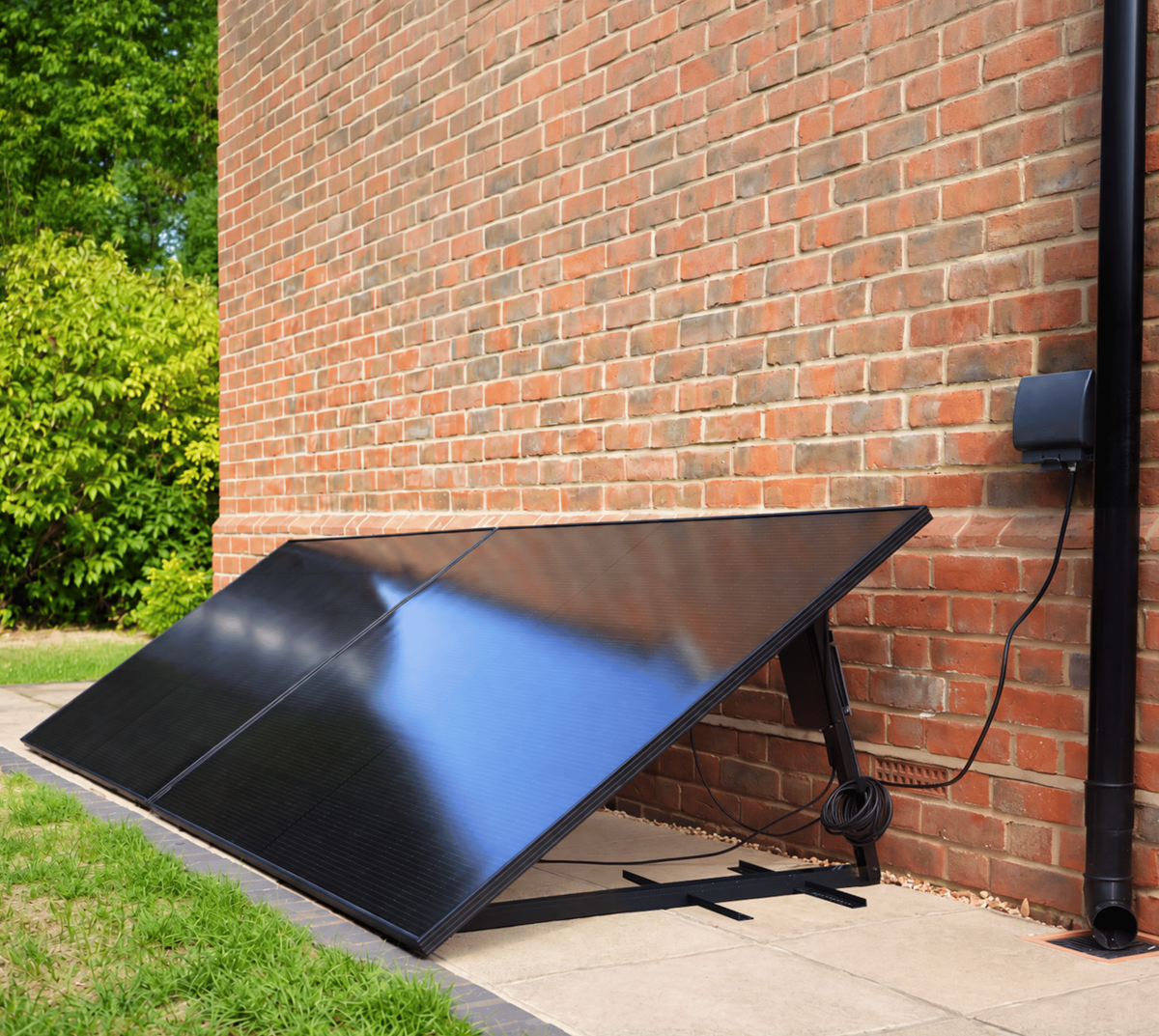
Britain has been remarkably slow to embrace plug-in solar.
While households in countries such as Germany have been installing small solar systems on balconies, patios and garden walls for years, British consumers have largely been restricted to conventional rooftop installations.
That changed on 27 August 2026, when the government introduced new rules allowing compliant plug-in solar systems with an output of up to 800 watts to connect directly to ordinary domestic sockets.
And the industry is wasting little time responding.
Two announcements i October illustrate how quickly the emerging British market is developing.
Zendure enters the British market
International energy technology manufacturer Zendure has announced the UK launch of its SolarFlow range, led by the SolarFlow 800 plug-in solar kit.
The system combines two solar panels with a microinverter and mounting equipment suitable for balconies, walls or ground-level installations.
Unlike conventional rooftop solar, it is designed to be installed without scaffolding or a specialist solar installation team, provided the equipment and installation comply with the new rules.
Electricity generated by the panels is converted into alternating current and fed into the household electrical system, reducing the amount drawn from the grid when appliances are consuming power.
Pre-orders for the SolarFlow 800 open on 2 November.

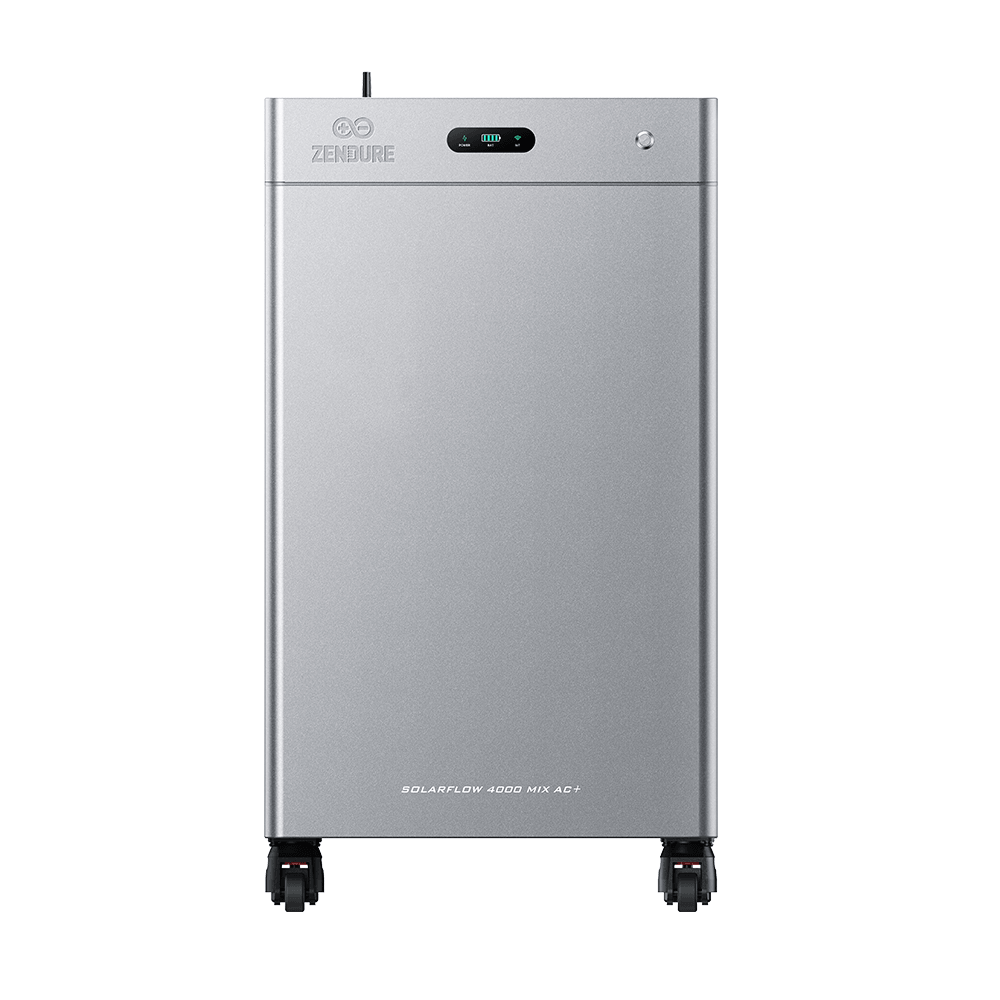
The Zendure Site Has Early Bird Offers..
Zendure is also introducing a range of battery storage products, including the SolarFlow 2400 Pro and larger 3680 Mix series, offering householders the opportunity to store electricity and manage consumption around different energy tariffs.
However, these professionally installed storage systems are distinct from the new plug-in solar kits and are not covered by the same simplified connection arrangements.
British company InstaGroup prepares its own launch
Meanwhile, established British energy-efficiency business InstaGroup has announced plans to introduce InstaGen ONE.
The company, which has more than 45 years of experience in insulation, renewables and building performance, is positioning the product as an affordable entry point into domestic solar generation.
Like Zendure's offering, InstaGen ONE is designed to provide a straightforward way for households to begin generating electricity without the expense and disruption associated with a conventional rooftop installation.

Tim Deathridge, Chief Operating Officer at InstaGroup, said:
"There's no getting around the fact that until now, for many households, solar has simply been too expensive and too complicated. That's the barrier we set out to remove with the InstaGen ONE plug in solar panel kit."
The company has not yet announced pricing or a confirmed release date, although it says further details will follow in the coming weeks.
Its wider proposition is interesting. InstaGroup already operates in the insulation, solar, battery and heat pump markets, potentially allowing customers to begin with a small solar kit before considering more substantial improvements to their homes.
Small systems, potentially significant savings
The attraction of plug-in solar is its simplicity.
Rather than replacing a household's electricity supply, these small systems offset a proportion of the electricity consumed during daylight hours.
The government estimates that an eligible 800W system could save households up to £110 annually, depending on generation and consumption.
For households with limited budgets, unsuitable roofs or no immediate plans to invest in a complete solar installation, the technology offers a new starting point.
Renters may also benefit from portable systems, although permission from landlords or building owners may still be required.
There are limitations. Output depends on orientation, shading, weather and seasonal daylight. Households also need to consider where the panels will be mounted, whether the structure can safely support them, and whether the specific product complies with British requirements.
A market that could grow quickly
The pace of product announcements suggests manufacturers see considerable commercial potential.
But there is an important distinction between the speed at which companies are entering the market and the rate at which British households are actually adopting the technology.
The regulatory change is less than two months old, and reliable UK sales figures are not yet available to demonstrate a consumer boom.
What is clear is that the barriers to entering the market have changed.
Manufacturers can now offer a category of domestic energy product that previously faced regulatory obstacles in Great Britain.
And unlike conventional rooftop solar, plug-in systems could eventually become familiar retail products, sold alongside household appliances and home improvement equipment.
That could bring solar generation to a much wider audience.
For the retrofit industry, the significance may extend beyond the relatively modest amount of electricity an individual kit produces.
A household that starts monitoring its own electricity generation may become more interested in how and when it consumes energy, whether battery storage makes financial sense, and how other technologies could reduce its dependence on purchased electricity.
Britain may have arrived late to plug-in solar, but the manufacturers are clearly preparing for a much bigger market.
The question now is whether affordable pricing and consumer confidence can turn a rush of product announcements into widespread household adoption.