
What If There Was Just One Heat Loss Survey?
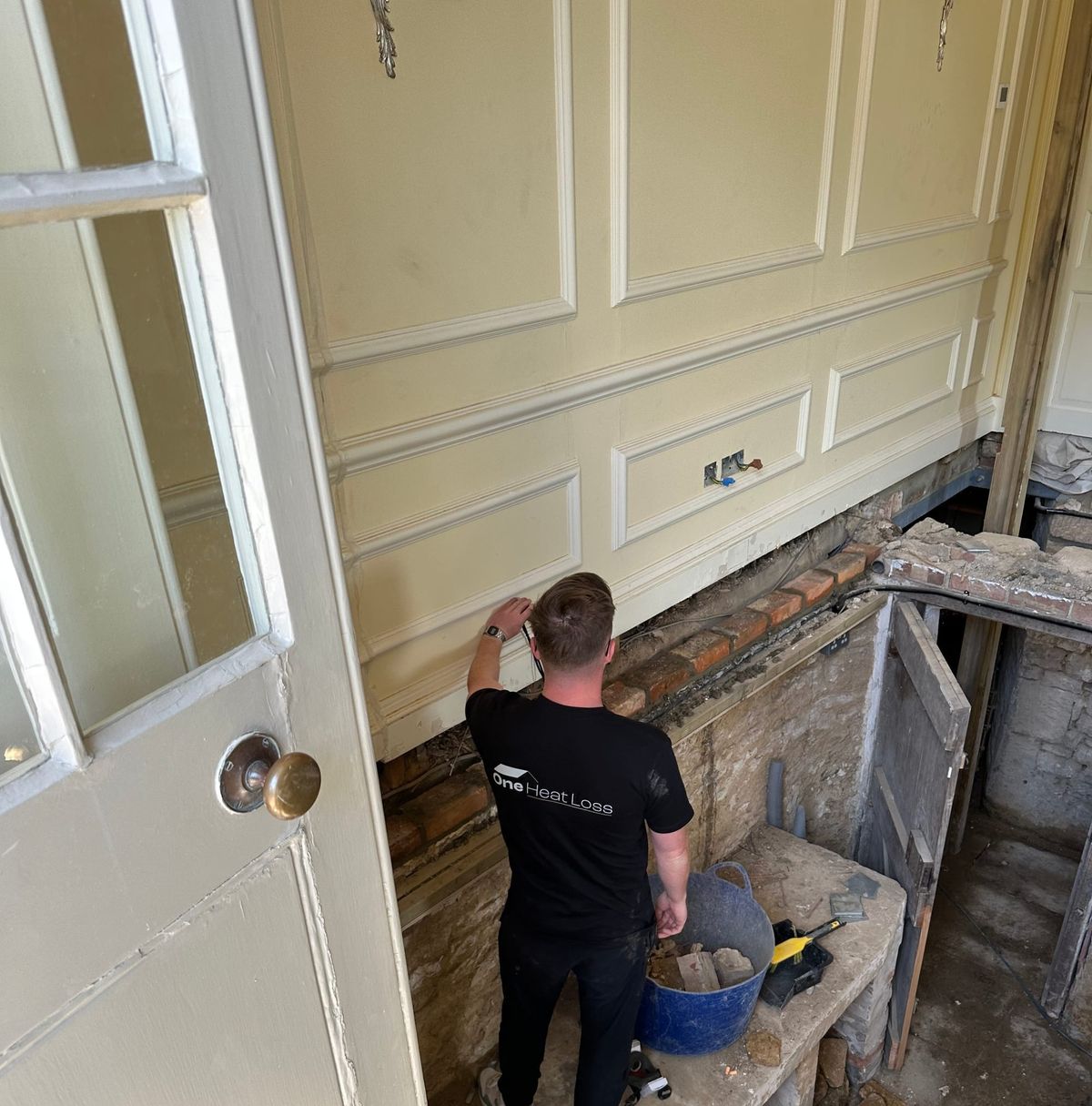
Stephen Coyle is an anomaly, he's unique. Well sort of. As they say in the business, other providers are available. But at what cost?
When a homeowner looks at transforming their homes, taking themselves off gas or oil. They need a heat loss survey, and they need it to be accurate.
It's clear from attending the Midsummer sponsored Heat Pump Show this year, from multiple speakers, that heat loss surveys are a huge time and financial burden on installers, and this is all work completed before a quote is even accepted. Often there's hours of unpaid time, visits and admin and still no sale.
What Stephen Coyle is doing with his company One Heat Loss is removing the treadmill of multiple, varying heat loss survey results and delivering a singular, accurate, proven heat loss, that is completed before installers set foot in a house - and empowers consumers to choose who installs their heat pump themselves.
He already provides a check up service - which consumers use to see if their heat loss surveys are right;
“I get a lot of sort of sanity checks. This person’s had a quote, and they’re like, ‘Oh, I’m not sure. I want to see if it’s right." - Stephen Coyle
In fact Stephen is so well respected in the sector, it's not just architects and M&E consultants checking in with him;
"We worked for quite a lot of big installers, some tier one guys. We would do 100, 200 jobs. And then we would design those one by one, specify all the radiators and the heat pump sizes." - Stephen Coyle
He made an important point in our interview with him, which struck a chord. Maybe it's because we attend so many sites and hear the differing opinions about where a heat pump should go, the buffers, the flow rates but this resonated;
"A heat loss calculation is an equation and it’s a theory which, if done right, it should always be the same.” - Stephen Coyle
The Way It Was
The consumer journey up until this point is this;
Homeowner → installer → survey/design → proposed system
And that means that homeowners, already wrestling with the complex mechanics of how a heat pump is different to a gas or oil boiler - then have to deal with a variety of calculations, designs and proposed outcomes.
It's confusing to write, imagine what it's like to experience?
Presented with so many decisions, consumers experience decision paralysis. For them, they are stuck already looking at examining an installers evidence of good work, trying to understand if they have a list of happy customers - and then justify if the varying prices between quotes indicate a cheap budget option, a reliable installer, or a boiler basher throwing heat pumps out the door and a 15 year headache to go with it.
The Way It Can Be
Stephen is not looking to replace heating engineers, he's looking to help them. By removing them from costly, unpaid, quote and prospecting work. He's also making a consumer independently informed - Stephen told us
"I thought, if I could make this easier, so this bloke doesn’t have to have three surveyors coming to his house today, I’ll just do one heat loss calculation.” - Stephen Coyle
And that is the stand out difference to what homeowners experience right now. Stephen and his team offer an independent 'sense check' on what a heating system could like in a house;
“Then you can go off to your installers, and your installers will say, right, if you need seven kilowatts, eight different new radiators…”
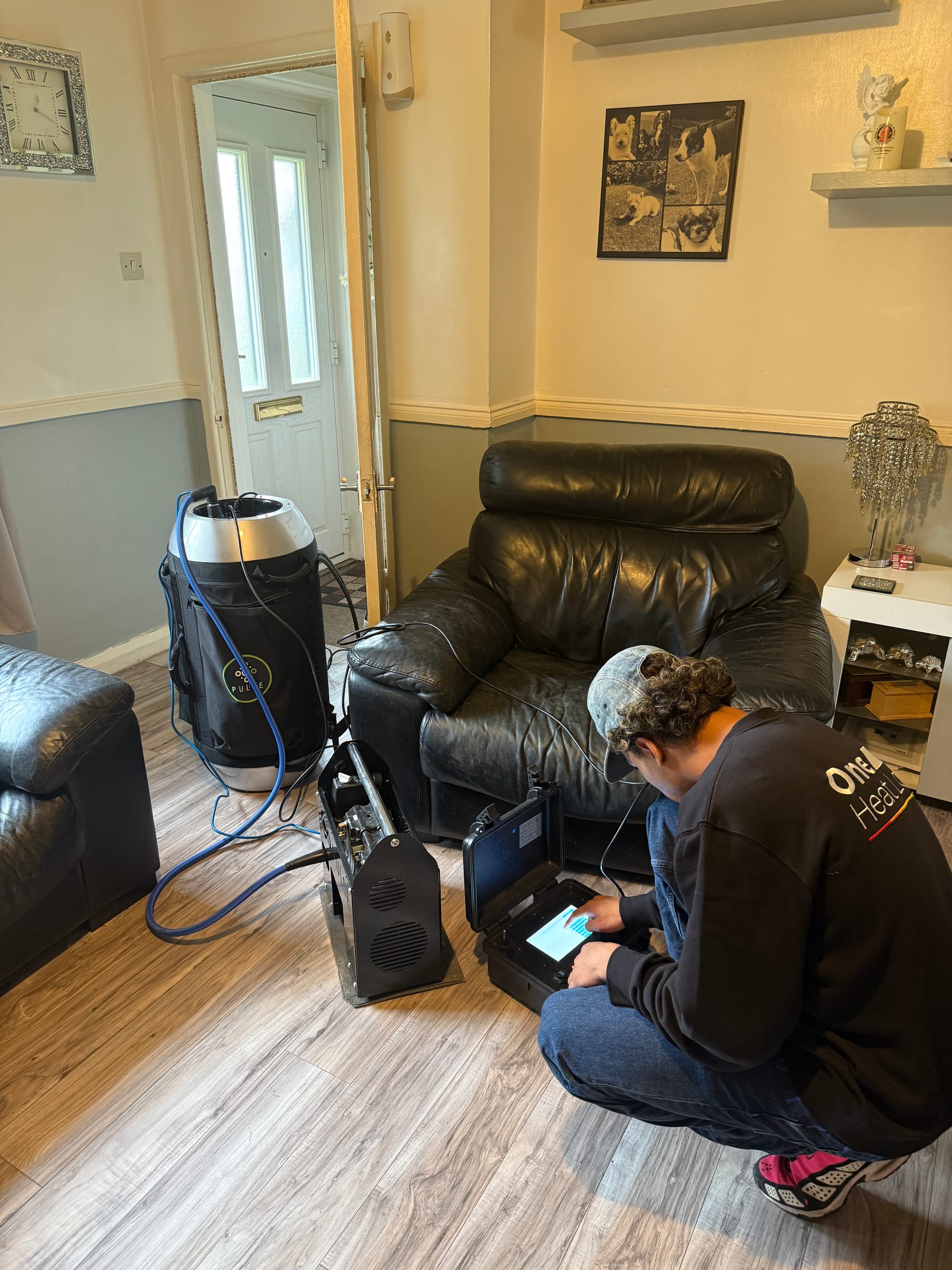
Because then the process becomes;
Assess property → understand requirement → approach installers → compare solutions
At this moment, I know installers will be chiming in.
With every installer comes a preferred way of working.
Some engineers will be emphatic about the need to load a system with pumps and buffers.
Some engineers will have bought in to the schemes offering less disruption, with locked in outcomes - and some engineers might even have trialled - and be deploying the emitter strategies that combine heating and cooling or radiator free living.
But these design choices, these engineering idiosyncrasies can be argued, after you have a heat loss survey now. Not before.
Here's The Advantage - Pattern Recognition
Stephen Coyle and his team have access to not hundreds, but thousands of data points. From their surveys.
“We’ve done a couple thousand jobs for someone in Manchester who are all social housing jobs: bungalows, two beds, three beds.” - Stephen Coyle
This level of experience, this volume of work means that Stephen has had the opportunity to streamline the process and make it incredibly accurate.
He's also aware of the benefit/threat of AI in his world.
AI can perform an equation. Software can automate radiator schedules. Plans can be interpreted increasingly quickly.
But houses are physical things.
Walls aren't always constructed the way the EPC says. Extensions happen. Available radiator space changes. Somebody still has to know whether the information going into the model resembles the building in front of them.
Stephen reduces the entire issue to one sentence:
"It’s as good as the information you get."
Perhaps the valuable product of the future isn't somebody capable of doing the arithmetic. It's somebody capable of knowing when the arithmetic is based on nonsense.
Let's Add The Consumer
Until now, heat pumps have largely been something consumers investigate through installers.
But imagine a larger able-to-pay market with access to affordable finance, much better consumer information, AI tools answering the elementary questions and increasing numbers of people actively planning the electrification of their homes.
What does the more sophisticated consumer do?
Perhaps they don't begin with:
“Can you quote me for a heat pump?”
Perhaps they spend £175-ish (Stephen's current starter pricing) to first to answer:
“What does my house actually need?”
Then take that information shopping.
Stephen himself wants that business. And he's getting it.
Consumers spends a bit of money at the start, eliminating an expensive mistake at the end.
What's The Future?
One Heat Loss already occupies this position within parts of the trade. Stephen has done volume work. Installers send calculations to him. People approach him for sanity checks. He's even been used independently where a customer has been unhappy with an installation.
For years, Stephen Coyle has been one of the people installers go to when they want to know what a building needs.
The next stage of One Heat Loss may depend on homeowners discovering they can ask him first.