
US war, Iran oil, and "demand destruction": the energy transition we didn’t ask for but might win
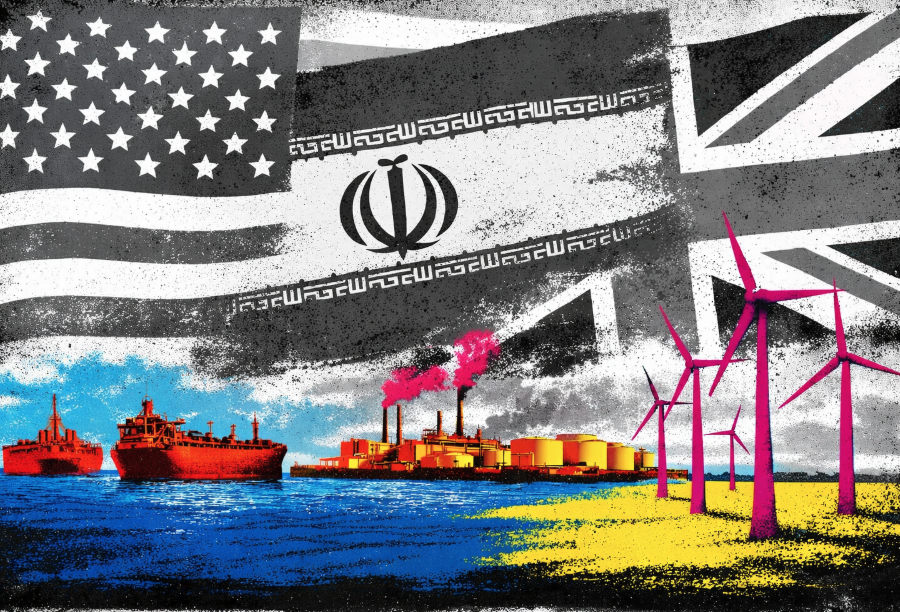
War destroys things. Cities. Lives. Economies. Futures.
But war also destroys assumptions.
Right now the war between the United States and Iran is doing something that climate policy has struggled to achieve for thirty years. It is exposing, brutally and publicly, how fragile the fossil fuel system really is.
The global oil economy rests on a handful of geographic bottlenecks. One of them is the Strait of Hormuz. A thin stretch of water through which a staggering share of the world’s oil passes every day. When that artery tightens, the entire planet feels it.
That is exactly what is happening now.
"Global oil supply has already been cut sharply as Gulf production slows and tanker traffic falters, with analysts warning the disruption could be the largest in modern history." Financial Times
And the effects travel fast.
 Jillian Ambrose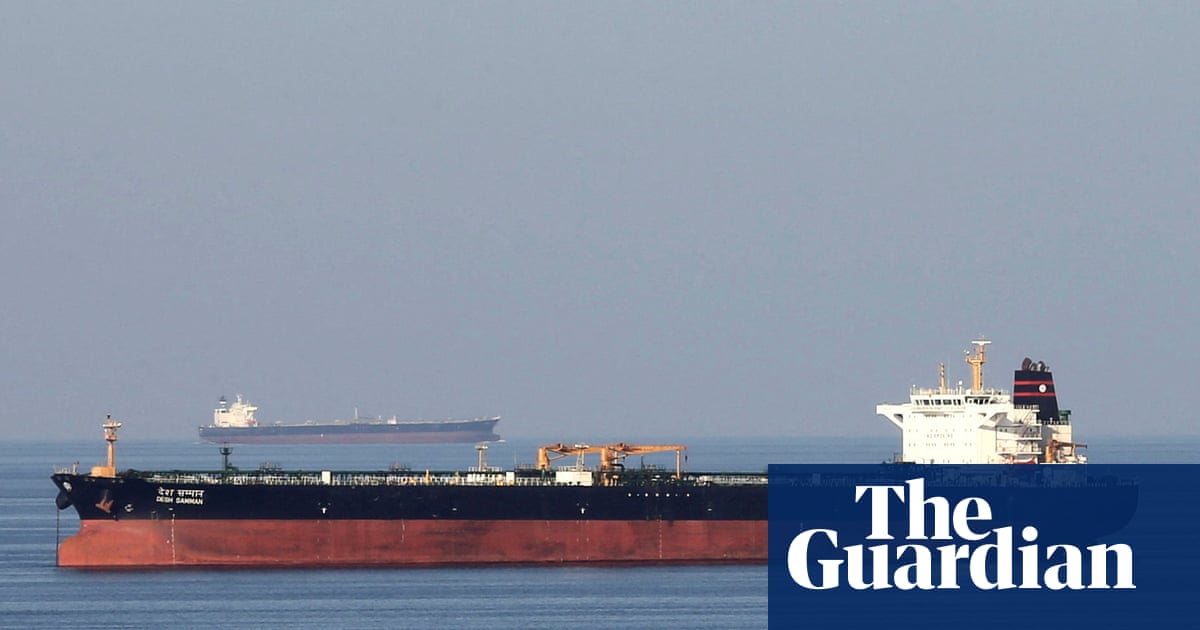
Petrol goes up. Diesel goes up. Shipping costs rise. Gas prices follow. Energy bills creep higher across Europe, with UK households already warned that another price cap rise could be coming this summer.
When that happens something dynamic and one directional occurs.
People stop debating climate change and start doing maths.
The polite economic term is “demand destruction”. What it actually means is that the price of a commodity rises so high that people stop using it.
Demand does not fall because people suddenly want less energy. It falls because they find a different system.
This is how energy transitions really begin.
With shock.
When petrol becomes painful, electric cars start to make sense. When heating oil doubles in price, heat pumps suddenly look less like a green luxury and more like financial protection. Solar panels stop being a lifestyle statement and start being a hedge against chaos.
They rarely reverse.
Nobody installs rooftop solar and then asks to go back to buying expensive electricity from volatile global markets. Nobody electrifies a vehicle fleet and then begs to return to diesel price swings tied to Middle Eastern geopolitics.
Demand destruction doesn’t mean society stops needing energy. It means society stops needing that particular fuel.
The strange thing is that wars keep teaching this lesson.
The oil shocks of the 1970s forced the world to take energy efficiency seriously for the first time. Japan reinvented industrial energy use. Europe built nuclear fleets. Car manufacturers began decades of fuel-efficiency improvements.
Today the alternatives are far more binary.
Electricity can be produced locally. Solar panels do not care about naval blockades. Wind turbines do not depend on tanker routes. Batteries do not panic when insurance companies refuse to cover ships entering a war zone.
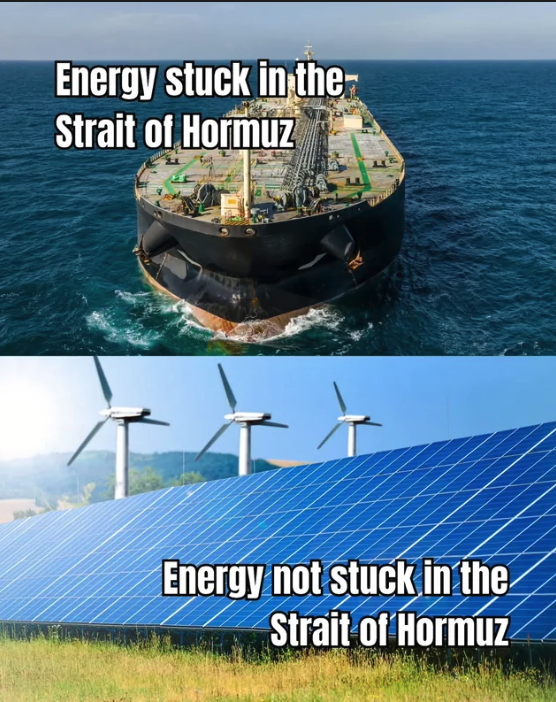
Every megawatt of renewable energy quietly removes another piece of leverage from the global fossil fuel system.
And that is why conflicts like this accelerate change faster than any policy.
Governments can argue about net zero targets for years. Markets, on the other hand, respond to pain immediately.
If oil becomes unstable, capital flows elsewhere. If fossil fuels become politically risky, investors look for technologies that cannot be blockaded, bombed or embargoed.
Electricity produced at home starts to look like national security.
That is the uncomfortable paradox sitting underneath the Iran war.
The conflict is a tragedy. It will damage economies and lives across the region. But it is also forcing the world to confront the fragility of the energy system it built over the last century.
A system where the price of heating your home can change because two countries exchange missiles thousands of miles away.
If the result of this crisis is that nations accelerate electrification, deploy more renewables and insulate millions of homes, then the war will have accidentally achieved something decades of climate diplomacy struggled to deliver.
The energy transition we didn’t ask for.
But one we might end up winning anyway.