
The Kings Speech: When Retrofit Stopped Being A Spotty Teenager
Our sector is maturing. Fast.
Whether you agree with the premise of the Iran war, whether you agree with the government policy on immigration, whether you want more tax for Billionaires - this is one thing we can, just about all agree on.
Energy infrastructure is no longer fringe.
Energy Security is a primary pillar of our national identity.
We don't need to think of energy independence as an environmental fly in the ointment of politics. Long term security, resilience and resistance to price shocks is essential.
The central line we lasered in on was this;
“My ministers believe that energy independence must be a long-term goal of national security.” King Charles III
So as the King avoids the language of niche environmentalism, we can look forward to a period of governance where the script is going to follow an arc which defines our relationships with imported fuel, volatile household bills and growing public dissatisfaction.
This journey will take us through unpopular choices, difficult decisions but ultimately end in a state of the nation whereupon entitled autocrats no longer set the agenda for our energy use or pricing.
Briefings around this bill have centered on clean British energy - that means one thing.
Our grid which we are reforming, will receive increased infrastructure investment baked into government legislation.
Electrification is coming. With that critical need, we'll have pressing demands for stronger consumer protection, which combined, will create the conditions for national resilience and explicit benefits to reforms of our economy.
So it's timely that one of the key participants in this process, MCS are reforming their own role and responsibilities.
 Matt Milloy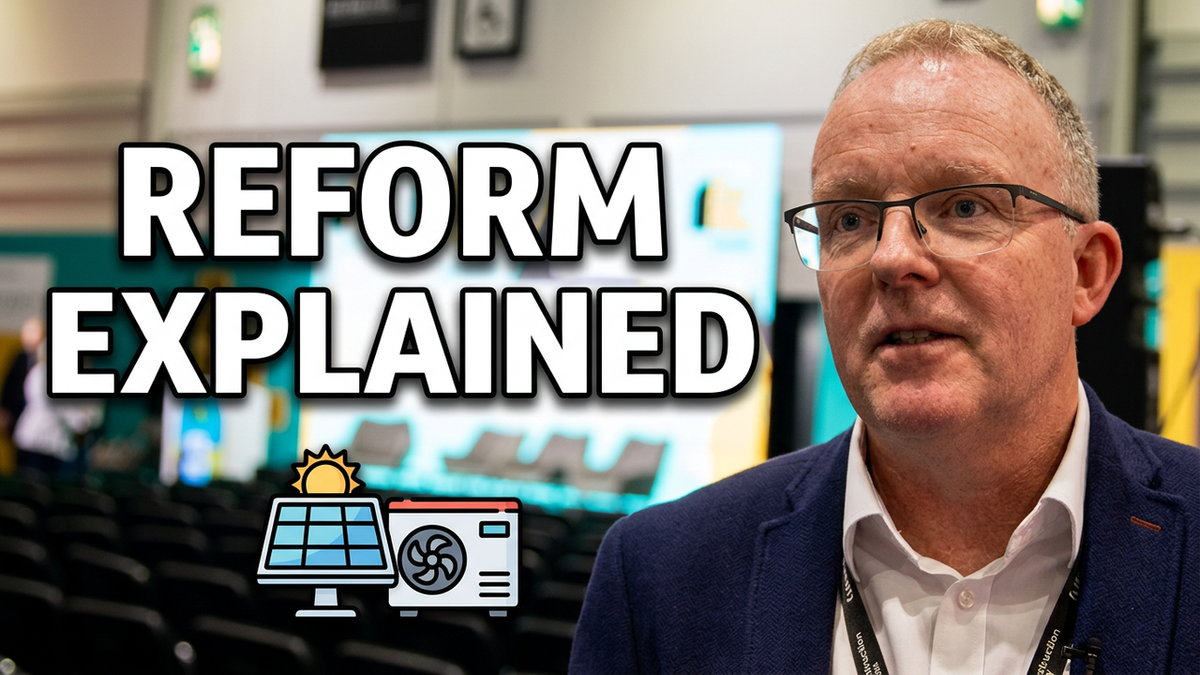
To be clear, there is no plausible route to meaningful energy independence until we reduce heat demand in British buildings, as much as changing the energy that flows into them.
This is a reality being recognised in government, planning and by investors too.
We all know that electrification carries risks, being honest about failures and the potential of overwhelming public and household finances cannot be ignored. Barriers to achieving our goals are obstacles which can be overcome. With honesty, integrity and humility.
But public funding of this transition isn't going to magically make us better. As public confidence get's dented by ECO failures, as perceived instability in our grid feeds the bait and switch rage merchants of Youtube, consumer fears have hampered investor action.
This legislation is an accelerant to the fuse we've lit, but the policy confirmation is also a fuel for serious institutional investors to move forward with deploying ever bigger pots of cash into the sector.
With that move, we can expect to see much more scrutiny from the departments involved, more monitoring, requirements for tighter quality assurance and verification of performance.
As we transition ourselves to a sector with more similarities to rail, water and telecoms infrastructure, companies and processes will have to reshape the way they run.
So that moves us, once again to the issue of trust. "I'll fix it", just isn't going to cut it any more. From housing associations to PRS landlords to private households, they will all be expecting, demanding the same thing.
Don't tell me what you can do, show me.
Multiple government policy papers call for consumers to be able to see case studies of successful work.
The King's speech defines the roadmap for our next few years. It is designed, explicitly and implicitly to provide consumer AND investor confidence.
This doesn't mean we can skip into the future with gay abandon. In fact caution is vital at this point. Caution about the inherent weaknesses we know already exist in retrofit.
- installer shortages
- skills gaps
- fragmented standards
- uneven training
- planning friction
- weak consumer trust
- financing complexity
- grid bottlenecks
- supply chain pressure
Because as the argument shifts from - 'do we need to retrofit the nations leaking building stock', to 'HOW are we going to do it'. A government under pressure risks mis-stepping. And so do we.
Deployable retrofit solutions, at scale, can only be done with consumers leading the change. We can deliver retrofit, but it has to be done with trust, with truthful storytelling, with honesty about our mistakes.
As retrofit becomes a keystone in the nations defence. It will become increasingly difficult to argue with the improvements, the lower energy demand from overseas sources and the break from the link in a global supply chain that can be choked by a narrow stretch of water.
Remember "With great power comes great responsibility". That might have been Plato, or Spiderman. But I sense you get it.