
The Heat Pump Skills Pipeline Is Growing. Now Comes The Hard Part.
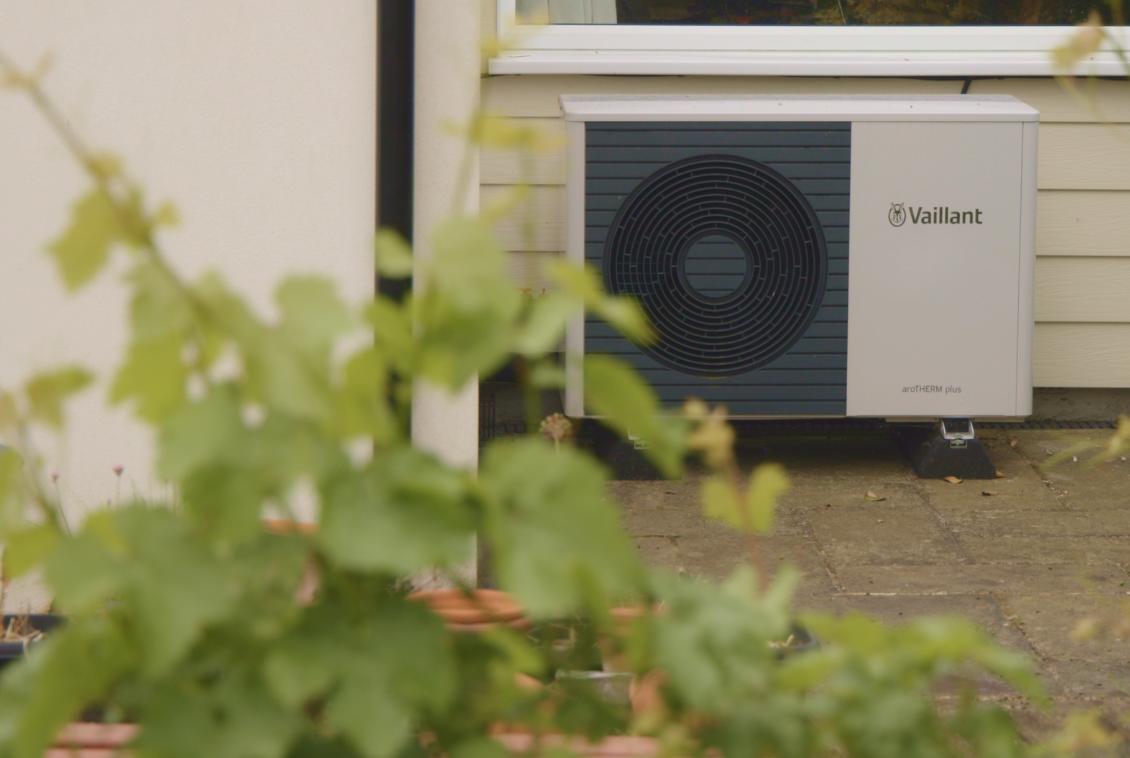
Government figures suggest satisfaction among heat pump trainees is exceptionally high. But as the industry expands, the question is no longer whether engineers want to learn. It's whether the sector can maintain quality at scale.
When politicians talk about the UK's transition away from fossil fuels, the conversation usually revolves around heat pumps, grants and carbon targets.
The less glamorous reality is that none of those ambitions will be achieved if there aren't enough competent people available to install the systems.
That is why the latest findings from the Government's Heat Training Grant programme deserve attention.
 Department for Energy Security and Net Zero
According to the Department for Energy Security and Net Zero's mid-scheme review, 94% of surveyed installers reported being either satisfied or very satisfied with the training they received. Meanwhile 95% said they had already recommended, or were likely to recommend, the training to a friend or colleague. More than 11,300 training courses have now been delivered through the scheme.
On the surface, that sounds like a routine government success story.
Dig a little deeper and it reveals something more important.
The industry's long-standing skills bottleneck may finally be starting to loosen.
From "Nobody Wants To Train" To "Where Do We Find The Time?"
For years, one of the most common criticisms levelled at heat pumps was that there simply weren't enough installers.
The criticism was not entirely unfair.
Gas engineers operate in a mature market. Heat pumps require different design principles, lower flow temperatures, different emitter sizing and a greater understanding of whole-house performance.
We've attended numerous sites across the UK and installer feedback is that often gas engineers need to 'unlearn' some of their previous methodology. Retraining.
Retraining requires time.
Time means lost earning opportunities.
For a busy installer, stepping away from paying work to sit in a classroom has never been an easy commercial decision.
The Heat Training Grant was designed to remove part of that friction by providing up to £500 towards training costs. Manufacturers have often supplemented this with additional incentives and product support.
The result appears to be working.
Not because government says so.
Because installers keep signing up.
The Manufacturers Are Building Infrastructure
One overlooked aspect of the government's announcement was the choice of venue.
Energy Minister Martin McCluskey visited the Daikin training academy in Manchester, where thousands of installers have reportedly undertaken training this year.
It highlights a broader trend.
The training ecosystem is no longer being carried solely by colleges and certification bodies.
Manufacturers are increasingly building their own academies, demonstration facilities and support networks.
Daikin is doing it.
Vaillant is doing it.
Mitsubishi Electric is doing it.
Grant UK, Panasonic and others continue to expand training provision as demand grows.
The industry is no longer waiting for the workforce to appear.
It is actively attempting to create it.
Satisfaction Is Not Competence
However, there is a danger in assuming that positive training feedback automatically translates into successful installations.
The UK's heat pump sector is now entering a phase where quality may matter more than quantity.
Recent reporting from national newspapers has highlighted cases where poor installation practices have left homeowners facing higher bills, water leaks, system failures and lengthy disputes.
Industry figures interviewed for those investigations argued that installer competence varies significantly across the market and that some training pathways may not yet be sufficient for the complexity of real-world installations.
That distinction is critical. A trainee can enjoy a course. A training provider can receive excellent feedback.
Yet neither guarantees that a homeowner receives a well-designed heating system.
The next phase of the market will be won or lost on outcomes.
The Missing Ingredient: Real-World Experience
One of the most interesting findings emerging elsewhere in the sector comes from pilot projects focused on practical learning.
Nesta's "Start At Home" initiative found that installers who fitted heat pumps into their own homes gained significant confidence and technical understanding compared with classroom learning alone. Participants reported improved understanding of commissioning, heat loss calculations and day-to-day operation.
This echoes a theme repeatedly heard across retrofit.
Evidence beats theory. Experience beats assumptions.
Whether you are a homeowner, installer or manufacturer, confidence often comes from seeing systems work in real buildings rather than PowerPoint presentations.
The Bigger Picture
The government wants clean heat to become mainstream.
The Heat Pump Association reports record levels of heat pump deployment and growing consumer demand.
The Warm Homes Plan is expected to accelerate that trend further. Yet the transition will not ultimately be judged by training numbers, grant allocations or ministerial visits.
It will be judged by what happens inside homes.
- Do householders receive systems that perform as promised?
- Do engineers build profitable businesses around the technology?
- Do installations reduce bills, improve comfort and create advocates?
If the answer is yes, installer numbers will continue to grow.
If the answer is no, the industry risks creating exactly the consumer distrust it has spent years trying to overcome.
The government's latest figures suggest the skills pipeline is strengthening. That is encouraging.
But building a workforce is only the first step.
Building trust is the real challenge.