
Indoor Air Aware: Lisa Malyon

Imagine the feeling of being unable to make that last step? We're not talking about summiting Everest, emerging from the Amazon - a set of stairs. Not being able to climb stairs.
“My body just gave up. I’d get to the top of the stairs and I was like an 80-year-old woman.” - Lisa Malyon
The disabling effects of constant exposure to damp and mould made this happen. It made Lisa Malyon, the activist, campaigner and professional communicator so sick, she was on the edge of survival.
“I remember my mum leaving… and not knowing if I was ever going to see my daughter again.”
Even more critical for Lisa, she wasn't the only one affected. Her daughter was stricken with lung problems, damage that is irreparable.
This interminable journey to a near death experience established a core problem in Lisa's mind.
"Air is the last thing that we think about because we don’t see it.”
Her experience catalysed Lisa to take action, and we can thank her for a sea change in the way that indoor air quality is being discussed. She isn't the only voice in this space, but when you meet her, you can feel the visceral energy that is driving her towards making more people, more aware, of the air they are breathing.
Lisa makes air quality easy to understand
That is why she set up Indoor Air Aware. A resource and contact point to understand, inform and change the way we think about the air we spend 90% of our time.
Chemicals and Mould
It's an unfortunate truth that the bulk of treatments marketed in the UK to combat mould are chemical and herein lies a conundrum. Treating a living organism which has it's own defence mechanisms with a chemical attack - makes mould a completely different beast.
Your are introducing a choice between a poorly performing building, which has mould as a symptom of failure, with a treatment that in itself can generate a soup of harmful Volatile Organic Compounds (VOCs). Lisa has a more explicit description;
“Using chemicals on mould is like feeding a rat dynamite and blowing it up around your home.”
The reason why this analogy works so well is it materially describes the actual process of attack on a mould cell;
“You’re breaking the cell… and turning one problem into millions of fragments.”
And this behaviour has a terrible outcome;
“Those fragments are more easily respirated and go into every part of your body.”
Lisa takes the position that tenants and homeowners are not passive bystanders in the process of mould treatment. But they can only be part of the solution in fighting this airborne menace with accurate information. She calls it "air literacy".
So what does this mean for the UK's tenants and homeowners? Right now we have legislation in place which is supposed to be actively improving the quality of air we breathe. It's called Awaab's Law but critically, this very specifically supports social housing tenants. And more importantly it's a reactive solution not a preventative one.
This is the crux of Lisa's work.
Right now the legal patchwork of rules and regulations around air quality means the UK regulates the air you walk through more tightly than the air you sleep in.

Judge Me By The Enemies I have Made
You know that someone is nipping at the heels of people in power when legal letters start winging their way to you. As a journalist it's the first sign your story is potentially on target - the 'Cease and desist' letters. The gagging order. The legal nudges.
Whilst Lisa remained tight lipped about action that was being taken against her, it was clear from our discussion that her activities had ruffled more than a few feathers.
Why we asked her would actions excite such interest? It's business built around preventable failure. Which if solved, could erase an entire aisle of products sold in supermarkets.
Prevention Beats Reaction
Companies that benefit from selling a chemical solution that treats a symptom of building failure, are not fixing the building failure - a damp building will get mouldy without good ventilation and heat. Erstwhile efforts to shift consensus on blaming tenant behaviour mask a wider problem.
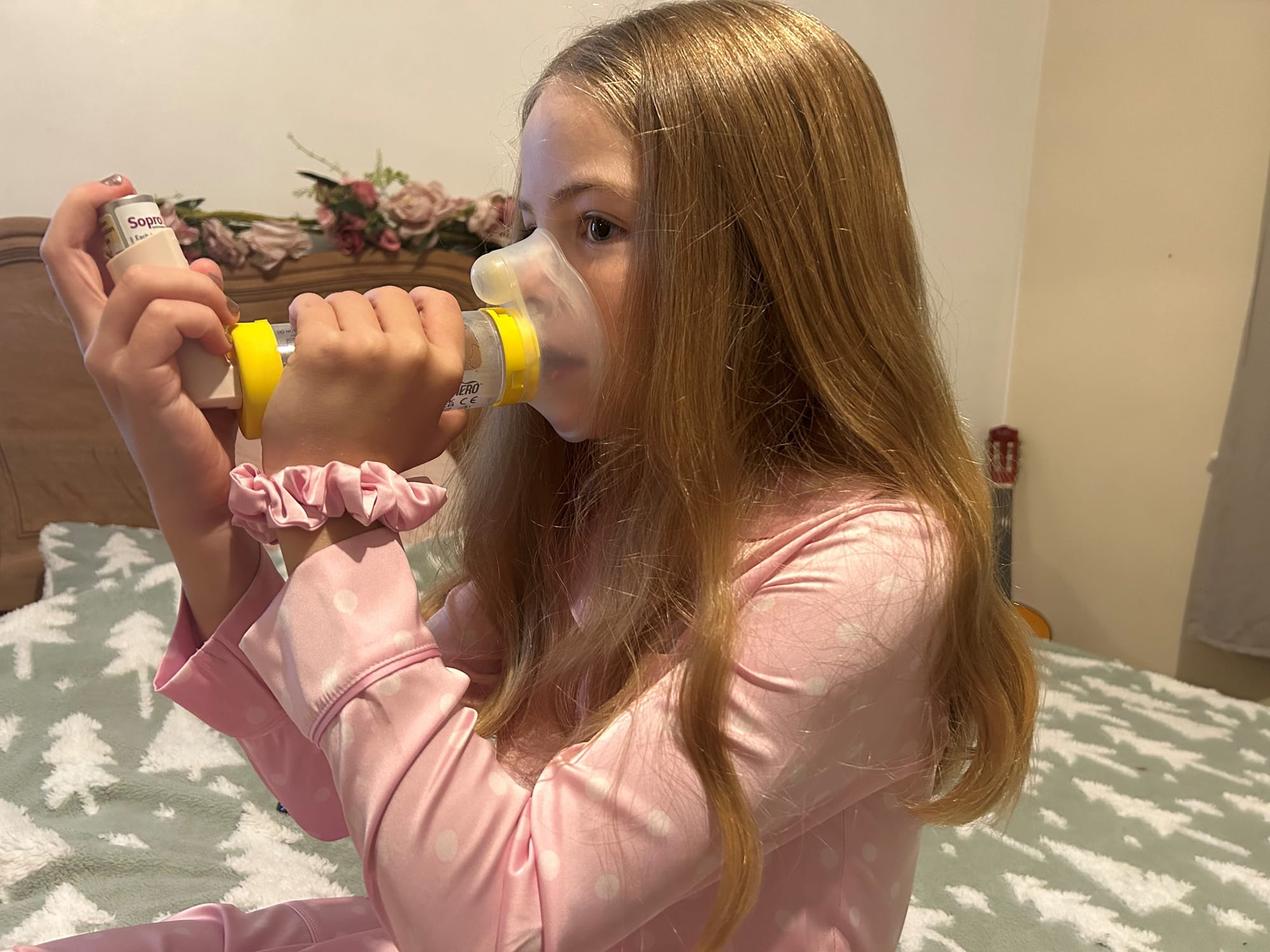
We're not fixing buildings, we're treating a problem that exists because buildings are not performing well.
Lisa is not saying that treatments all fail, she is very clear that there are options to deal with mould that do not create harmful alternatives.
What Lisa is campaigning for is preventative measures the break the cycle of poor building performance, bad air quality, mould treatments and the cycle of wasted energy, money and opportunities to safe guard peoples health.
If you control air quality, you're eliminating a problem before it becomes a life changing or life ending failure.
Lisa is not taking this action in a vacuum, she has support from notable experts in air quality, health and interventions, and that's enabled her to gain access to places lesser people might not have reached;
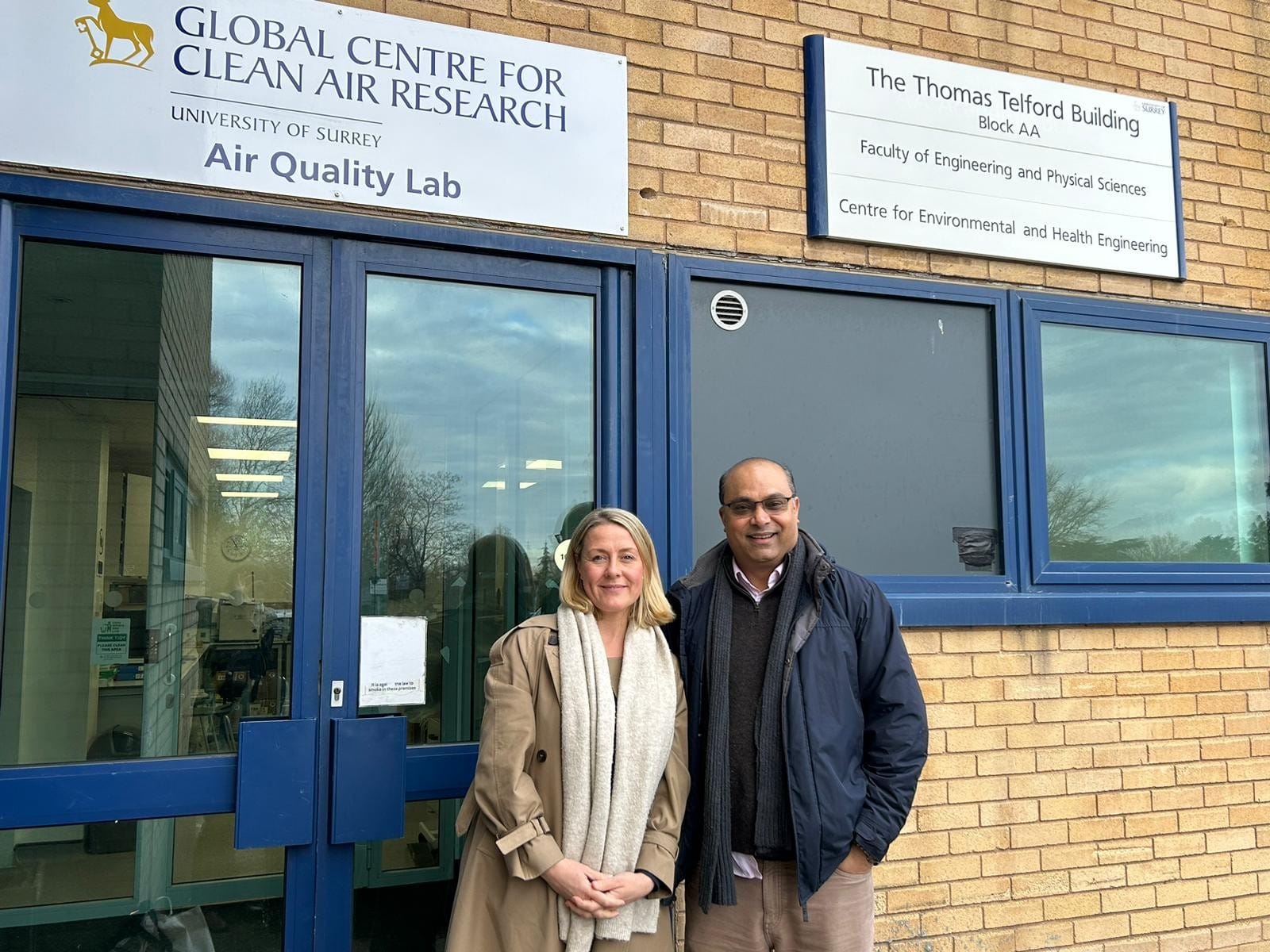
The Roadmap to Better Homes
There is a common theme to much of what Lisa is moving towards.
“I’m all about democratizing access to information.”
Because once people understand what they’re breathing, they start asking different questions. About products. About homes. About who benefits when things don’t work as they should.
“I haven’t earned a single penny for any of the work that I’ve done.”
That may not last. It can’t, if the campaign is to survive.
But the bigger question is whether the system she is pushing against is forced to change first.